

Why Reputation Management Matters in Medical SEO Services
Feb 23, 2026


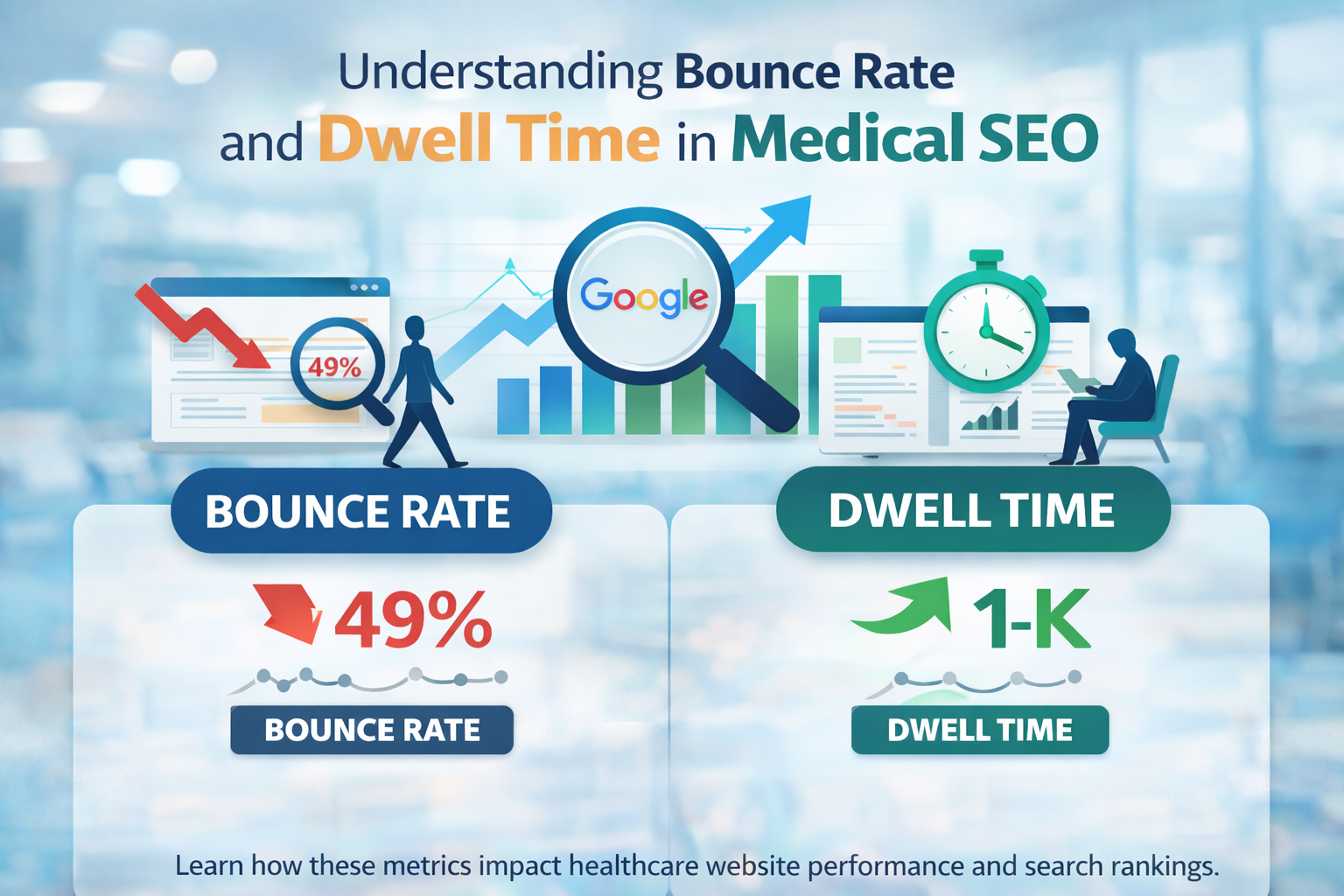
In the competitive world of healthcare marketing, having a well-optimized website is no longer enough. Metrics like bounce rate and dwell time play a critical role in understanding how visitors interact with your site and how search engines evaluate it. For medical practices looking to grow their online presence, these metrics can reveal whether your website content truly connects with potential patients. That’s where The Medical SEO comes into play, helping healthcare professionals decode these metrics and use them strategically for better search performance.
Bounce rate measures the percentage of visitors who land on your website and leave without taking any further action — such as clicking on another page, filling out a form, or scheduling an appointment. A high bounce rate often signals that something isn’t working effectively.
For example, if a patient searches for “best pediatric clinic near me,” clicks on your site, and immediately leaves, it might mean they didn’t find what they were looking for. In the medical field, this could happen for several reasons:
From an SEO perspective, a high bounce rate can suggest to search engines that your website doesn’t meet user intent. That’s why monitoring and optimizing bounce rate is vital to your overall digital marketing success.
While bounce rate shows who leaves your site quickly, dwell time reveals how long a visitor stays on your page before returning to search results. This metric gives search engines insight into how engaging or valuable your content is.
If a visitor spends several minutes reading your blog about “how to choose the right orthopedic specialist,” it’s a good sign that your content is relevant and helpful. Conversely, if visitors leave within a few seconds, Google may interpret it as low-quality or irrelevant content.
Dwell time, therefore, acts as an indirect ranking factor. Although Google doesn’t publicly confirm using it as a ranking signal, it’s widely accepted among SEO professionals that higher dwell times often correlate with better-performing pages.
In medical SEO, trust and authority are everything. Patients are looking for reliable information before they decide to book an appointment. High bounce rates and short dwell times can undermine that trust, while better engagement metrics can strengthen it.
When your bounce rate is high, it can indicate:
On the other hand, improving dwell time can build trust and boost rankings. The longer a patient spends on your site, the more confidence they gain in your expertise. Optimizing for dwell time also encourages users to explore additional pages, such as service descriptions, doctor profiles, or patient testimonials.
Many healthcare websites unknowingly make design or content mistakes that drive patients away. Here are some of the most common issues:
The Medical SEO emphasizes addressing these key elements through strategic design, targeted keywords, and content that speaks directly to patients’ needs.
Improving these engagement metrics doesn’t happen overnight, but with consistent effort, it can lead to measurable results. Here’s how medical practices can enhance both:
These small yet powerful changes can lower bounce rates and increase dwell times, signaling to search engines that your website offers real value.
Use tools like Google Analytics and Google Search Console to monitor bounce rate and dwell time metrics. Over time, you’ll begin to see patterns — such as which pages keep visitors longer and which ones drive them away.
For instance, if your blog posts have strong dwell times, you might consider creating more educational content. Similarly, if certain service pages have high bounce rates, analyze whether they include enough patient information or visual elements.
Tracking performance regularly helps refine your medical SEO strategy and ensure your website continues to attract, engage, and convert visitors effectively.
Bounce rate and dwell time may seem like just numbers, but they tell a deeper story about patient behavior and website performance. For medical practices, understanding and improving these metrics can lead to higher trust, better rankings, and more appointments. Partnering with The Medical SEO ensures your healthcare website isn’t just visible — it’s engaging, informative, and designed to keep patients coming back.
If you’re ready to enhance your medical website performance and patient engagement, contact us today to see how expert-driven strategies can transform your digital presence.