

How Can The Medical SEO Strengthen Healthcare Search Authority?
Oct 6, 2026


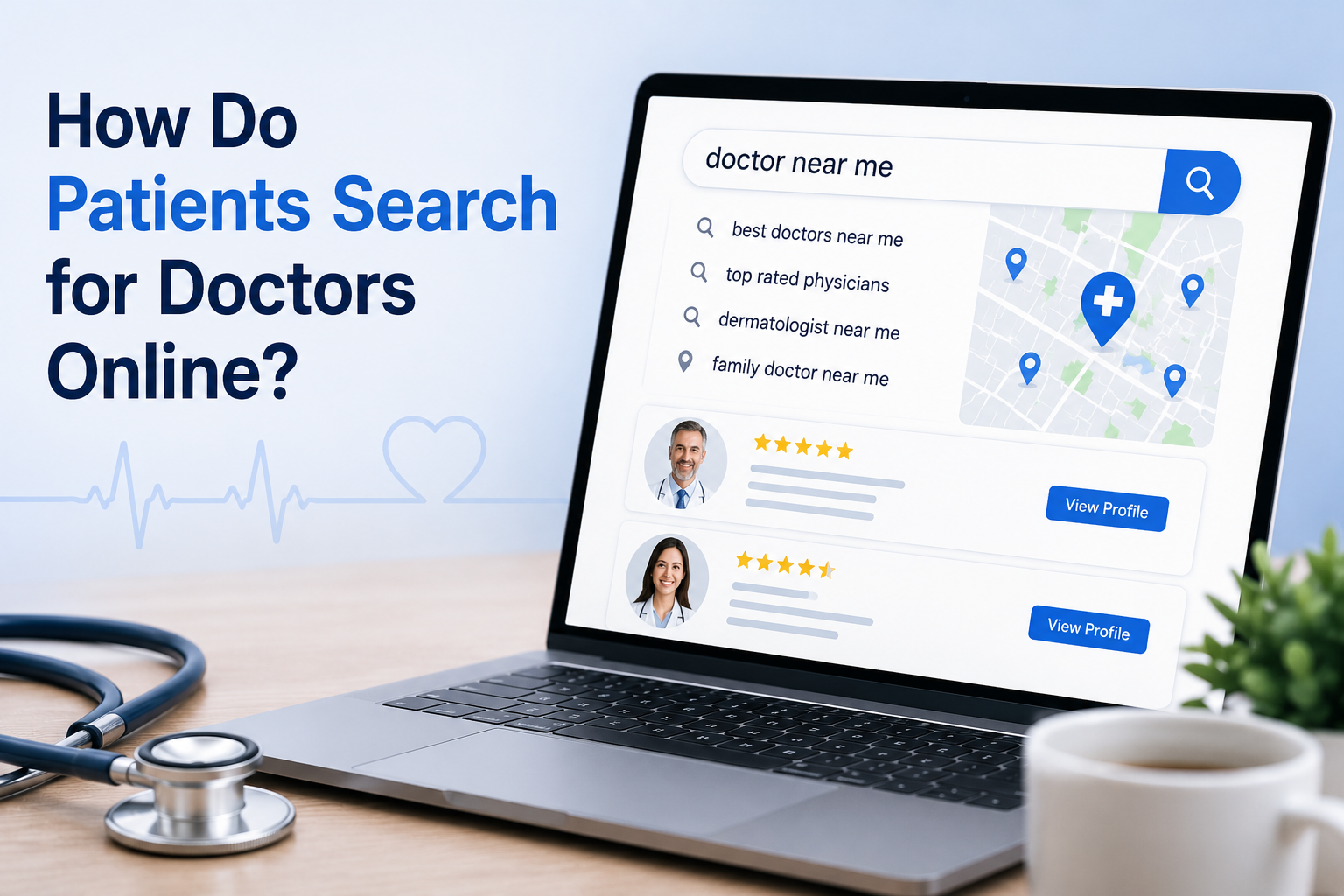
The way patients find healthcare providers has changed dramatically over the last decade. Gone are the days when people relied solely on referrals from family members, friends, or local directories. Today, most patients begin their healthcare journey online. Whether they need a primary care physician, dermatologist, dentist, orthopedic specialist, or pediatrician, their first step is often a search engine.
For healthcare providers, understanding how patients search for doctors online is essential. A strong online presence can significantly impact patient acquisition, appointment bookings, and long-term practice growth. This is where Medical SEO Services play a crucial role by helping healthcare websites appear where patients are actively searching.
In this guide, we’ll explore modern patient search behavior, the factors influencing healthcare decisions, and how medical practices can improve their online visibility.
Patients are becoming increasingly informed and selective when choosing healthcare providers. Before booking an appointment, many individuals conduct extensive online research to compare doctors, read reviews, and evaluate their options.
Understanding this behavior helps healthcare practices:
Practices that ignore digital search trends risk losing patients to competitors who invest in healthcare-focused SEO strategies.
Google remains the most popular platform for finding healthcare providers. Patients commonly search using terms such as:
These searches often indicate strong intent to schedule an appointment.
Local search has become one of the most important channels for healthcare providers. Patients frequently use Google Maps to locate nearby clinics, view business hours, get directions, and compare reviews.
Appearing in local search results can dramatically increase visibility and patient inquiries.
Patients often use healthcare-specific directories to compare providers. These platforms help users review credentials, specialties, accepted insurance plans, and patient ratings.
Online reviews strongly influence patient decisions. Many patients read multiple reviews before selecting a healthcare provider.
Positive reviews help establish trust and improve conversion rates from website visitors to booked appointments.
Many healthcare consumers also explore social media profiles to learn more about a practice, read patient feedback, and assess credibility before making a decision.
Understanding patient search intent is critical for effective Medical SEO Services.
Patients frequently search using location-specific terms:
These searches typically indicate immediate healthcare needs.
Patients often search directly for specialists, including:
Healthcare websites should optimize service pages around these specialties.
Patients frequently begin with symptom-related searches such as:
These searches create opportunities for educational content that guides users toward appropriate healthcare services.
Patients may also search for:
Including this information on your website can improve user experience and conversions.
The patient identifies a health concern and begins researching symptoms, treatments, or healthcare providers.
The patient compares multiple providers by evaluating:
Patients narrow down their choices and look for trust signals that indicate quality care.
The patient schedules an appointment with the provider that best meets their needs.
Understanding this journey helps practices create content that supports patients at every stage.
Reviews remain one of the strongest decision-making factors.
Patients often prefer providers with:
Patients want reassurance that they are receiving care from qualified professionals.
Doctor profile pages should clearly display:
A professional website helps build trust.
Patients expect:
Convenient locations often influence healthcare decisions, especially for routine care and follow-up visits.
Easy online scheduling can improve patient acquisition and reduce barriers to booking appointments.
Local SEO has become one of the most important components of healthcare marketing.
An optimized profile helps practices appear in local searches and map results.
Important elements include:
Practices serving multiple cities should create dedicated location pages to improve local relevance.
Search engines rely on accurate business information across directories and websites.
Maintaining consistency improves trust and local rankings.
Publishing content related to local healthcare concerns can improve visibility and engagement.
Medical SEO Services help healthcare organizations improve online visibility and attract patients actively searching for care.
Healthcare SEO specialists identify high-intent keywords patients use during their search journey.
Optimizing:
helps search engines understand your content.
Technical improvements include:
Educational content helps build authority while attracting organic traffic.
Managing reviews and online reputation strengthens trust and influences patient decisions.
Artificial intelligence is transforming how users discover healthcare information.
Search engines increasingly provide direct answers within search results, reducing the need to visit multiple websites.
Patients now use voice assistants to ask questions like:
Users are searching using natural language rather than simple keywords.
Healthcare websites should create content that directly answers patient questions.
Search engines increasingly reward websites that demonstrate expertise across entire healthcare topics rather than isolated keywords.
Many healthcare websites struggle because of avoidable SEO issues.
Most healthcare searches now occur on mobile devices.
Slow websites create poor user experiences and lower search rankings.
Thin content often fails to rank for competitive healthcare keywords.
Ignoring local optimization limits visibility among nearby patients.
Healthcare information should remain current and relevant.
Focus on answering common patient questions rather than simply promoting services.
Detailed provider profiles help build trust and improve search visibility.
Actively requesting patient feedback can improve online reputation.
Simple navigation and clear calls to action increase appointment bookings.
Professional healthcare SEO strategies help practices compete effectively in crowded markets.
Healthcare providers face increasing competition online. Patients expect accurate information, easy access, and trustworthy healthcare resources.
Medical SEO Services help practices:
Unlike paid advertising, SEO provides sustainable growth and ongoing patient acquisition over time.
Patients rely heavily on online search when choosing healthcare providers. They use Google, local search results, review platforms, and healthcare directories to research doctors and compare options before scheduling appointments.
Healthcare practices that understand this behavior can position themselves where patients are actively searching. By investing in Medical SEO Services, providers can improve visibility, build trust, attract qualified patients, and grow their practice in an increasingly digital healthcare environment.
If your practice wants to generate more patient appointments and improve online visibility, The Medical SEO can help you develop a customized strategy designed for long-term success.
Most patients use Google Search, Google Maps, healthcare directories, and online reviews to locate and evaluate healthcare providers.
Reviews help build trust, influence patient decisions, and improve local search visibility.
Medical SEO is the process of optimizing healthcare websites to improve search engine rankings and attract more patients online.
Local SEO improves visibility in map results and local searches, helping nearby patients discover your practice.
Most practices begin seeing measurable improvements within three to six months, depending on competition and website condition.
Yes. Effective Medical SEO Services improve visibility, attract qualified visitors, and increase appointment requests from prospective patients.