

Why Reputation Management Matters in Medical SEO Services
Feb 23, 2026


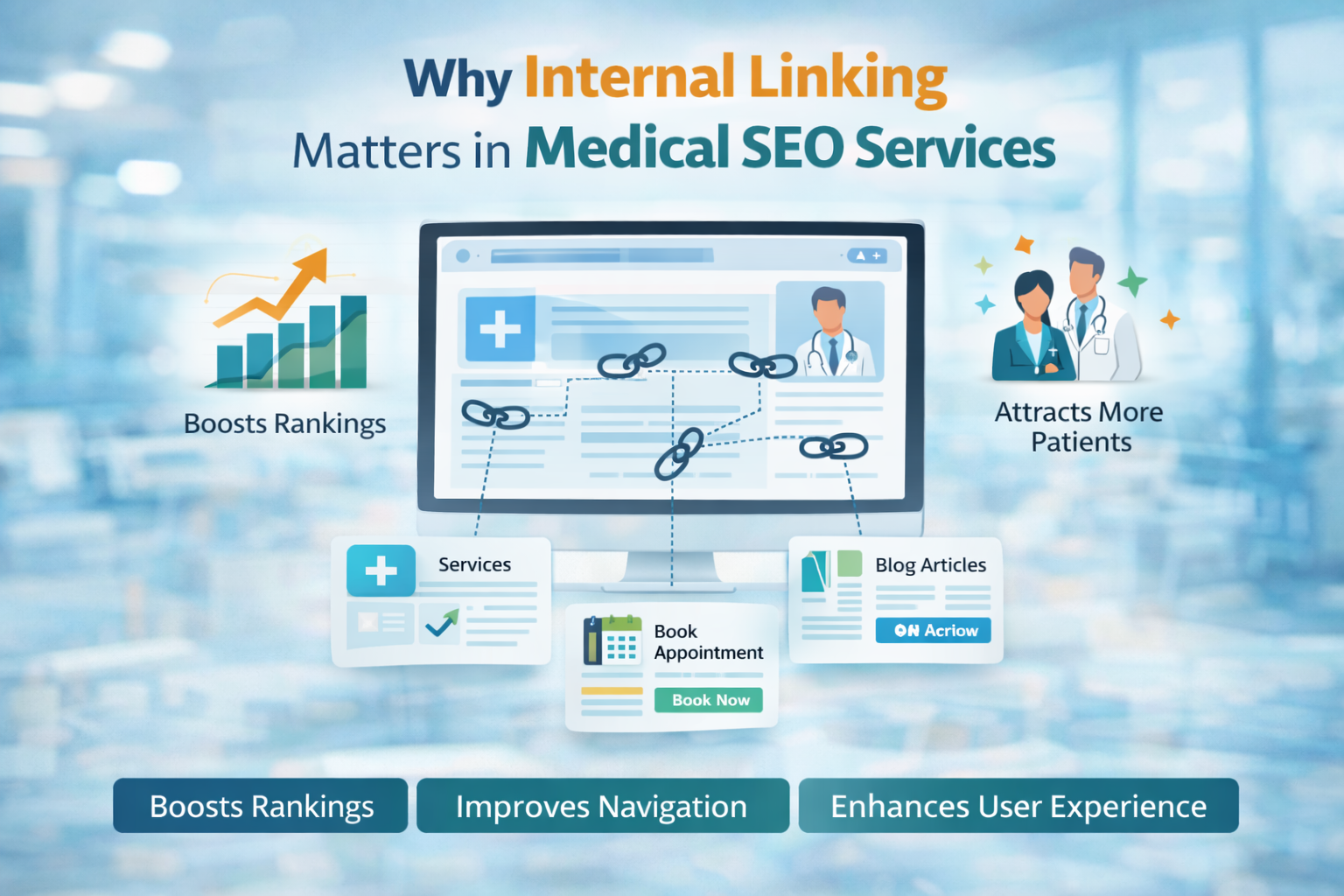
In the world of healthcare marketing, search engine optimization (SEO) plays a vital role in helping medical practices grow their online visibility and attract more patients. One of the most overlooked yet powerful elements of SEO is internal linking. While many medical professionals focus on keywords and external backlinks, internal links can make a huge difference in how your website performs on Google. At The Medical SEO, we emphasize the importance of a well-structured internal linking strategy to enhance your website’s authority, improve user experience, and boost search rankings.
Internal linking refers to the process of connecting one page of your website to another through hyperlinks. These links help both search engines and users navigate your site efficiently. For example, a blog post on “Dental Implant Procedures” might include links to other related pages like “Oral Surgery Services” or “Book an Appointment.”
From a technical perspective, internal linking creates a roadmap for search engines like Google to crawl your website more effectively. For medical websites, this is crucial because it helps ensure that important pages—like treatment pages, doctor profiles, or contact forms—receive enough attention and visibility online.
Medical SEO isn’t just about optimizing your homepage or a few key service pages. It’s about building a strong internal structure that ties all your content together. Here’s why internal linking plays such an important role in your SEO success:
When patients visit your medical website, they often look for specific information—whether it’s about symptoms, treatments, or doctor expertise. Internal links make it easier for them to find what they’re looking for. For example, linking from a blog post about “Chronic Back Pain” to your “Physiotherapy” or “Orthopedic Services” page provides users with a seamless navigation experience.
This ease of navigation helps reduce bounce rates and keeps visitors engaged longer, signaling to search engines that your website provides valuable information.
Not all pages on your medical website will have the same level of authority. Some might attract more backlinks or organic traffic than others. Internal linking allows you to share that authority across your site. For example, if your “Cardiology Services” page has strong external backlinks, linking it to a new page about “Heart Disease Prevention Tips” can help that new page rank faster.
This internal flow of authority—often referred to as “link juice”—helps search engines understand the relationship between your pages and boosts the visibility of less prominent ones.
Strategic internal linking allows you to use keyword-rich anchor text naturally. For instance, when you link a phrase like “pediatric care services” to your dedicated pediatric page, you signal to Google what that page is about. Over time, this can improve the keyword ranking of your internal pages.
However, keyword stuffing should be avoided. The key is to link naturally within context, keeping user readability in mind.
A great user experience is a ranking factor in itself. When visitors easily find relevant information through well-placed internal links, they are more likely to stay on your website and explore other pages. This not only improves engagement but also increases the likelihood of patient conversions—whether it’s scheduling a consultation or signing up for a newsletter.
For example, at The Medical SEO, we recommend using internal links in every blog post, service page, and even in your FAQs section. This keeps users engaged and encourages them to explore multiple pages during their visit.
Search engines use bots (often called crawlers) to index web pages. A solid internal linking structure ensures that these crawlers can easily discover all pages of your website. If certain pages are not linked internally, they might be left unindexed, meaning they won’t appear in search results.
In medical SEO, this is especially important because healthcare websites often have multiple service categories, treatment details, and educational blogs. Internal links ensure that none of your valuable content gets lost in the digital maze.
To make the most out of internal linking, it’s essential to follow a few best practices:
By applying these strategies, your website can become more cohesive and user-friendly, ultimately improving your overall search performance.
When implemented correctly, internal linking can lead to measurable improvements in your website’s SEO performance. You’ll likely see:
Internal linking is not a quick fix—it’s an ongoing process. Regularly auditing your website and ensuring that all new pages are properly linked will maintain your SEO strength over time.
In the competitive healthcare landscape, every detail matters when it comes to ranking higher on search engines. Internal linking may seem like a small element, but it plays a crucial role in strengthening your site’s structure, enhancing user experience, and driving long-term organic growth. By connecting relevant pages and guiding both users and search engines effectively, you can build a stronger digital foundation for your medical practice.
If you want to unlock the full potential of your medical website, it’s time to invest in a comprehensive SEO strategy with experts who understand the healthcare industry. The Medical SEO specializes in creating tailored internal linking and content strategies designed to boost visibility and attract more patients to your practice. With the right internal linking approach, your website can achieve better rankings, improved engagement, and sustained success in today’s digital world.
Here’s a polished and professional Contact Us section, written in a natural, business-friendly tone that fits seamlessly with your blog content:
Looking to strengthen your medical website’s online visibility and attract more patients through effective SEO strategies? Connect with The Medical SEO today. Our team of experts specializes in medical SEO services, including internal linking, content optimization, and advanced digital marketing solutions tailored for healthcare professionals.
Let us help you optimize your online presence, boost your rankings, and bring more patients to your practice. Partner with The Medical SEO—your trusted expert in healthcare digital marketing.